Published
5 minute read
In this article, Drs. Gary D. Breslow and Jordan P. Farkas of The Breslow Center for Plastic Surgery in Paramus, New Jersey give an overview of these various approaches to eye rejuvenation. They also are Ridgewood NJ plastic surgeons.
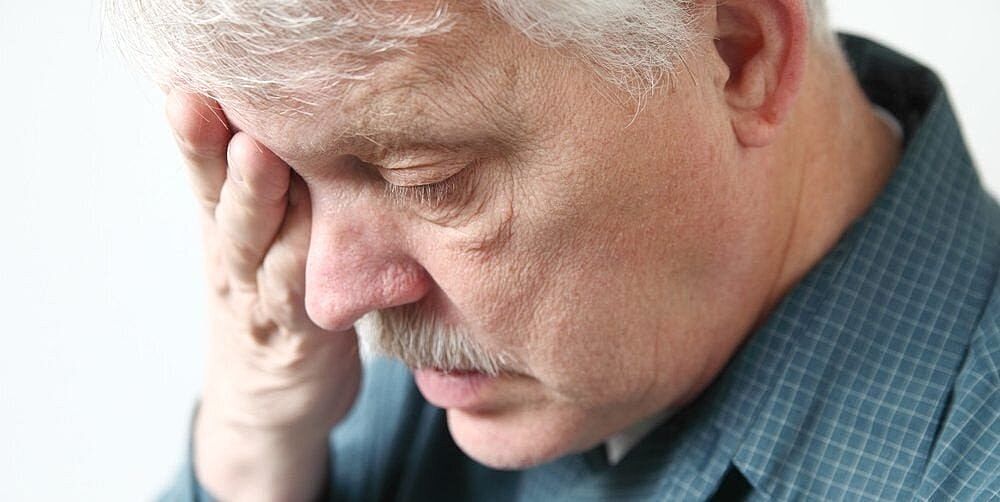
Most commonly, tired-looking eyes are a natural result of aging, as the skin’s connective tissue gradually loses its elasticity. The eye area can also take on a permanently puffy or swollen appearance because of certain lifestyle choices or health factors:
Regardless of the cause, there are several short-term and long-term options that can help give the eyes a more rested and youthful appearance.
Cosmetic surgery is an intensely personal decision, requiring serious commitment. As such, many patients will want to try non-invasive treatments first.
Non-invasive approaches can be inexpensive, but they are usually temporary and tend to have reduced effects compared to other options.
Most cosmetic clinics or dermatologists carry collagen-stimulating daytime and nighttime eye care product lines that tighten the skin and reduce the appearance of fine lines. One of our favorite brands is ZO Skin Health — their Hydrafirm Eye Brightening Repair Cream is a tried-and-true treatment to rejuvenate the thin skin surrounding the eyes.
At-home treatments such as cold compresses can also be used to constrict blood vessels around the eyes, reducing excess fluid and providing a temporary fix. This is the main mechanism of action for the ubiquitous and inexpensive cucumber slices, raw potatoes, and tea bag face masks.
Injectables have more noticeable effects and last for longer, but they need to be repeated every few months.
Many patients will prefer to try Botox and fillers before undergoing surgery. Botox injections can reduce fine lines and wrinkles at rest, or when squinting or smiling. It also minimizes muscle contractions between the brows and smoothens out horizontal lines across the forehead. Botox lasts for 3-4 months, after which you will gradually regain muscle function.
Injectable fillers are usually based on hyaluronic acid formulations. They can fill hollows, smooth fine lines, and camouflage bruised-looking eyes. For instance, Belotero Balance can be used to gently fill in delicate areas under the eyes. Results are instant and typically last up to 6-8 months.
Excess skin or fat on the eyelid can be associated with aging, giving the eyes a tired appearance.
Blepharoplasty — commonly known as eyelid surgery — can involve upper-eyelid surgery, lower-eyelid surgery, or both.
Upper eyelid surgery typically involves an incision in the crease of the upper eyelid and the removal of an ovoid wedge of skin and/or subcutaneous fat.
Lower eyelid surgery is done by performing an incision on the inside of the lower eyelid to remove subcutaneous fat and tighten the orbicularis oris muscle.
Eyelid surgery is sometimes performed in conjunction with brow lift surgery to rejuvenate the eyes while improving the look of a sagging brow line or severe forehead furrows. For certain individuals, we may also recommend laser skin resurfacing or chemical peel treatments to reduce discoloration beneath the lower eyelids.
All surgical procedure carry the risk of scar formation, infection, and body fluids collecting at the incision site.
Blepharoplasty carries additional risks for “chemosis,” or swelling in the eye. Sometimes scars near the eye can also result in lid retraction or misalignment of the eyelids, requiring secondary procedures for correction. However, this is quite rare.
RELATED: Eyelid Ptosis Surgery Explained
This is an important question, as it affects the cost of the procedure.
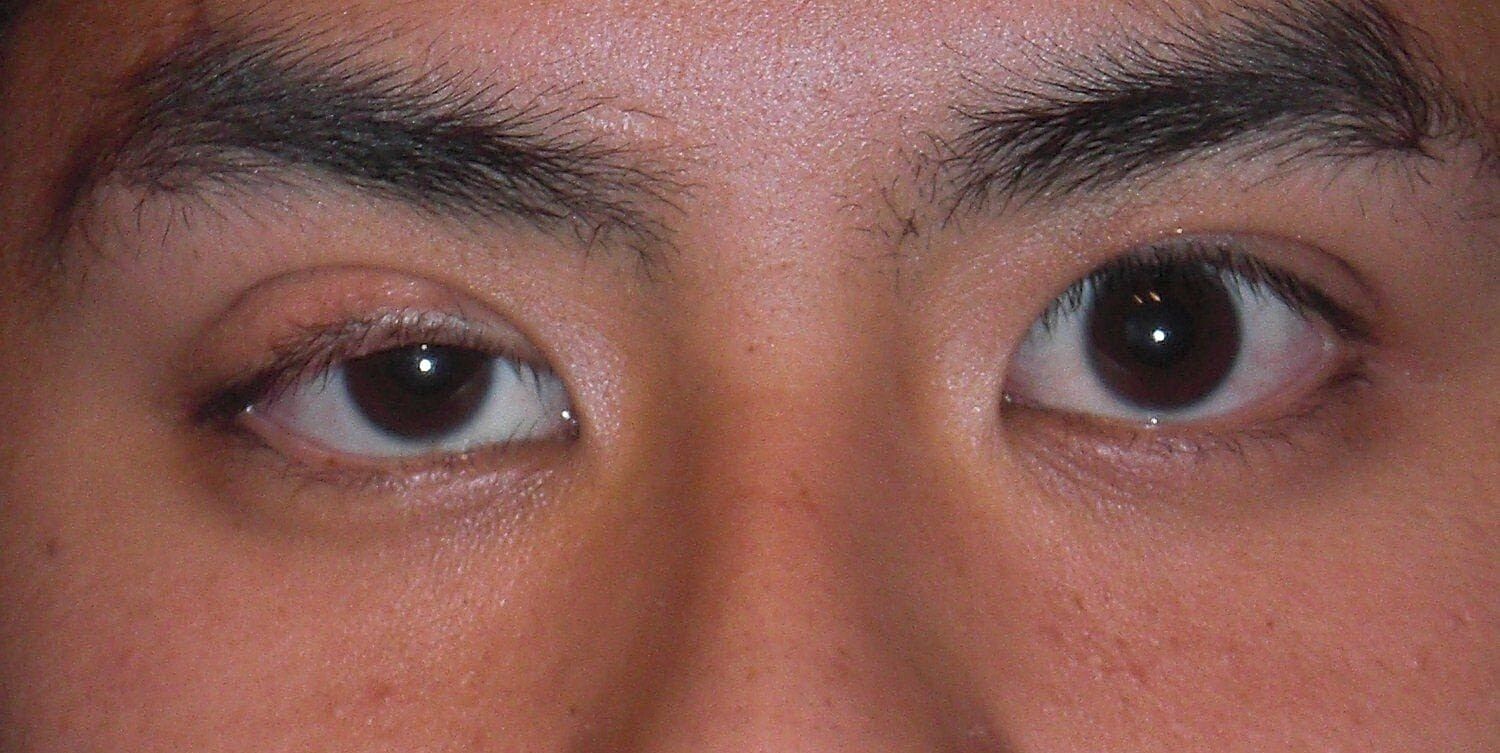
Medically, droopy upper eyelids are called “ptosis” or sometimes “blepharoptosis.” This can occur because of aging, or because of weight gain, nerve damage or trauma.
If your upper eyelid droops down far enough to partially cover the pupil and obscure vision, it can be considered a functional problem and insurance will most likely cover an operation to repair it.
Medically, droopy lower eyelids are called “ectropion.” This can occur because of heavy bags under the eyes, aging, or because of weight gain, nerve damage or trauma.
If your lower eyelid droops down far enough to make it difficult to close the eye such that it can become dried out or scratched when sleeping, insurance will most likely cover the cost of an operation to repair it.
Sometimes insurance will only cover the portion of the operation that is functional, and you will need to pay for the portion of the operation that is cosmetic. This is something your surgeon will determine with you during your preoperative consult.
Feel free to reach out to us for a consult — Drs. Gary D. Breslow and Jordan P. Farkas are widely recognized as leading authorities in blepharoplasty and have successfully performed both cosmetic and functional procedures on numerous patients from New Jersey and beyond.

© The Breslow Center Paramus, NJ | All Rights Reserved | Sitemap | Privacy Policy | Accessibility | Notice of Open Payment Database