Published
3 minute read

Rhinoplasty, also known as a nose job, is a common cosmetic surgery. According to Harvard Health Publishing, the American Society of Plastic Surgeons finds nearly 220,1 W. Ridgewood Ave, Suite 110, Paramus, NJ, 07652asties are performed each year in the United States alone. But did you know some of our patients come to us for a nose job, not because they have an issue with the way their nose looks, but because they need to breathe better?
When an operation is performed on the nose to address an aesthetic concern, it’s called “cosmetic” rhinoplasty. If the surgery is meant to restore airflow through the nose, it’s called “functional” rhinoplasty. So, yes, you can get a nose job to improve breathing!
Here we explain the differences between functional and cosmetic rhinoplasty and how getting a nose job improves breathing.
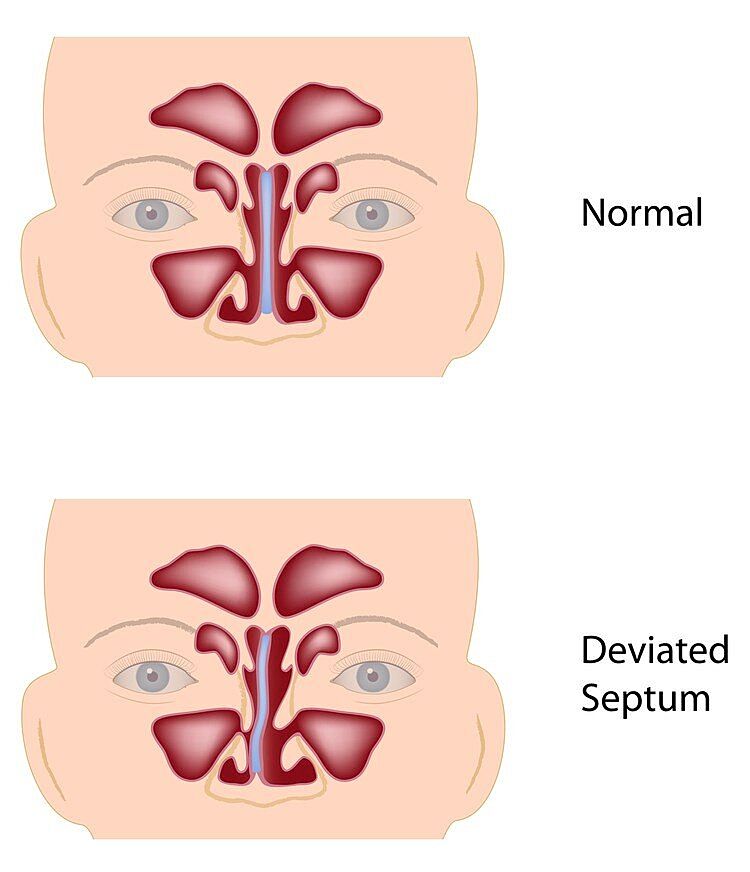
Here’s how each part of the nose works and is improved during a nose job for better breathing:
We use specific techniques to ensure functional rhinoplasty gives our patients better nasal airflow—the turbinates, the nasal septum, and the alar cartilage are manipulated during surgery to give the best results. Any one of these three structures can block airflow, but generally, the nasal septum and alar cartilages determine the aesthetic shape of the nose and how efficient breathing through the nose can be.
Rhinoplasty has quite a long history. The first nose operation was reported in 6th century B.C. in India, to replace a missing nose. In ancient times these procedures were performed to repair injuries due to leprosy, syphilis, or trauma. The modern cosmetic rhinoplasty is relatively recent, and the first procedure is generally credited to the otolaryngologist Dr. John Orlando Roe in 1887. Many advancements have been made since.


Published
3 minute read
Rhinoplasty operations might involve modification of all three structures of the nose, depending on the patient and the outcomes desired.
Functional rhinoplasty often combines access to the turbinates and the nasal septum. The term septoplasty is used to describe a procedure where the surgeon concentrates on the nasal septum. Turbinate modification usually describes a procedure to shave off the turbinates for better airflow.
Cosmetic rhinoplasty often combines interventions on both the nasal septum and the nasal tip. Even if someone wants only to change the shape of their nose bridge, the alar cartilage must often be detached to reach it properly. If a patient just wants to change the shape of the nose tip, its placement is highly dependent on the septum for support.
RELATED: Open vs. Closed Rhinoplasty
This is an important question as it affects the cost of a rhinoplasty, but the distinction isn’t always clear-cut. Lots of people are unable to breathe through their noses, and rhinoplasty procedures are highly effective at addressing this. But before undergoing surgery, it’s important to have a clear idea of your goals and options. The best operation for you will depend on your body, your overall health, previous surgeries, and your desired aesthetic and functional outcomes.
For instance, the National Institutes of Health tells us that roughly 10% of people who have a cosmetic rhinoplasty procedure will go on to develop breathing difficulties, often because of improper aftercare. If those patients decide to have a secondary revision procedure, the secondary procedure would be for functional reasons. Seventy percent of the patients who go on to have revision rhinoplasty surgery do so primarily to improve their breathing.
In other cases, someone who has had a broken nose due to trauma might develop breathing difficulties because the septum is crooked. However, choosing to have rhinoplasty to have the septum straightened will usually also have an aesthetic effect, and they might want to have some additional cosmetic work done on the alar cartilage during the procedure. This makes it a combined aesthetic and functional procedure, and sometimes insurance will cover the cosmetic portion of the operative costs.
Differences between these surgeries will determine whether or not insurance will pay for them. This can confuse patients who want to know if their nose job will be covered—because the structural supports of the nose affect both its form and function, these operations are often interrelated.
New Jersey rhinoplasty surgeons Dr. Gary D. Breslow will be happy to answer all your questions during your first consultation and guide you toward the approach that is most suitable for you.

© The Breslow Center Paramus, NJ | All Rights Reserved | Sitemap | Privacy Policy | Accessibility | Notice of Open Payment Database